Reviving the Golden Age of Print: Integrating Retro Book Cover Textures into Modern Digital Workflows
In an era dominated by sleek, vector-based minimalism and hyper-polished 3D renders, a counter-movement has taken root within the creative industries. Designers, marketers, and content creators are increasingly seeking tactile authenticity to cut through the noise of the digital landscape. This shift is not merely nostalgic; it is a strategic response to consumer fatigue with sterile perfection. At the heart of this aesthetic revolution lies the integration of analog imperfections into digital canvases, a trend perfectly exemplified by tools like the 30 Retro Book Cover PS Stamp Brushes. These assets serve as a bridge between the tangible history of print media and the boundless potential of modern software, offering a sophisticated method to inject character, depth, and narrative weight into contemporary projects.
The Strategic Value of Texture in a Flat World
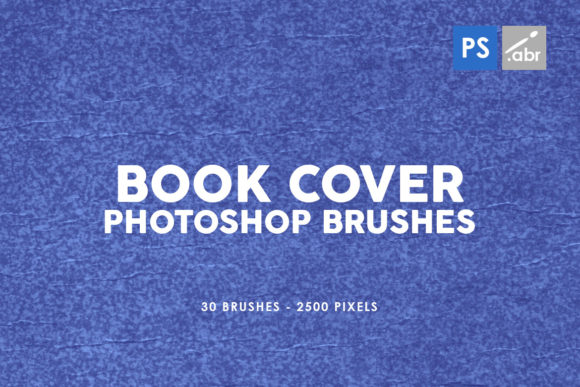
The widespread adoption of flat design in the early 2010s streamlined user interfaces and branding, prioritizing clarity above all else. However, as the market saturated with similar geometric shapes and solid color blocks, brands began to lose their distinct visual voices. Consumers, now accustomed to high-definition screens, crave sensory experiences that mimic the physical world. This is where the concept of "digital tactility" becomes crucial. By utilizing resources such as RETRO BOOK COVER PHOTOSHOP STAMP BRUSHES FOR PHOTOSHOP CS2 - CC All versions, creators can reintroduce the grain, wear, and organic variation found in mid-century literature and vintage packaging.
These brushes are not simply decorative stickers; they are high-fidelity data points that simulate the interaction of ink, paper, and time. When a designer applies a distressed texture from this collection to a modern logo or a social media graphic, they are subtly signaling heritage, craftsmanship, and authenticity. In the context of marketing, this psychological cue can elevate a brand's perceived value, suggesting that the product behind the image has history and substance. The 30 Retro Book Cover PS Stamp Bruses provide a library of these specific textural nuances, allowing professionals to bypass the time-consuming process of scanning physical books while maintaining the integrity of the analog look.
Technical Versatility Across Creative Disciplines
The utility of these assets extends far beyond simple book cover recreation. The modern creative workflow is fluid, often requiring assets to perform across multiple mediums simultaneously. The 30 Brushes inside this specific collection are engineered with a 2500 pixels size, ensuring they remain crisp and detailed even when applied to large-format prints or high-resolution displays. This resolution is critical for professionals who cannot afford pixelation when scaling assets for billboards, magazine spreads, or 4K video backgrounds.
Consider the workflow of a digital photo manipulator. To create a compelling composite image that blends a modern subject with a vintage setting, lighting and color grading are only half the battle. The surface texture must align. These brushes allow artists to apply consistent wear patterns—such as spine creases, foxing, or faded cloth textures—across different elements of a composition, unifying them under a single atmospheric umbrella. Similarly, in the realm of game development, particularly for indie titles aiming for a noir or historical aesthetic, these stamps can be used as visual effects overlays to age UI elements or environmental textures dynamically.
- Photo Overlays: Adding subtle grain and edge wear to portraits to evoke a timeless quality.
- Digital Photo Manipulation: Blending disparate images by matching their surface textures and aging profiles.
- Visual Effects for Games: Creating dynamic dirt and damage layers for inventory items or background assets.
- Decorative Elements: Enhancing typography and layout designs with authentic period-specific distress marks.
Adapting to Evolving Software Ecosystems
One of the significant barriers to adopting new creative tools is compatibility. The technology landscape moves rapidly, with software updates frequently rendering older plugins or brush sets obsolete. However, the RETRO BOOK COVER PHOTOSHOP STAMP BRUSHES are designed with longevity in mind, supporting Photoshop CS2 - CC All versions. This broad compatibility ensures that freelancers working on legacy systems and agencies utilizing the latest Creative Cloud subscriptions can collaborate seamlessly without file conversion issues or loss of fidelity.
This inclusivity reflects a broader industry trend toward sustainable asset management. Creators are increasingly cautious about investing in tools that might become unusable after a single software update. By providing a resource that spans nearly two decades of software evolution, these brushes offer a stable foundation for long-term projects. Whether a user is refining a workflow established ten years ago or launching a new studio with the latest hardware, these high-resolution images integrate effortlessly, reducing friction in the creative process.
The Psychology of Nostalgia in Consumer Engagement
Why are people paying attention to retro aesthetics now more than ever? The answer lies in the psychological comfort of the familiar. In times of rapid technological change and societal uncertainty, consumers often retreat to cultural touchstones of the past. Vintage book covers, with their bold typography and textured finishes, represent a era of tangible ownership and curated knowledge. When marketers incorporate these elements using tools like the 30 Retro Book Cover PS Stamp Bruses, they tap into this collective memory.
This is not about replicating the past blindly but rather curating it to fit current narratives. A craft coffee brand might use these textures to suggest artisanal roasting methods rooted in tradition. A tech startup might employ them to soften their corporate image, making their innovations feel more human-centric and accessible. The key is relevance; the texture must serve the story. Because these brushes are high-resolution images, they offer the flexibility to be blended, masked, and color-graded until they feel intrinsic to the design rather than superimposed upon it.
Practical Applications for Entrepreneurs and Freelancers
For entrepreneurs and freelancers, time is the most valuable currency. Sourcing high-quality textures, photographing physical objects, and cleaning up scans can take hours of production time. Utilizing a pre-packaged set of professional-grade stamps streamlines this workflow significantly. Instead of hunting for stock photos that may be overused or lack the specific character needed, a designer can instantly access a diverse range of retro effects.
Furthermore, these tools empower non-designers to elevate their content. Small business owners managing their own social media presence can use these overlays to create cohesive, branded visuals that stand out against the polished, generic templates flooding platforms like Instagram and Pinterest. By adding a layer of unique texture, even a simple promotional graphic gains a custom, handcrafted feel that resonates more deeply with audiences.
Elevating the Standard of Digital Artistry
Ultimately, the inclusion of 30 Retro Book Cover PS Stamp Bruses in a designer's toolkit represents a commitment to quality and detail. It acknowledges that while our medium is digital, our inspiration remains deeply rooted in the physical world. As the industry continues to evolve, the ability to merge the efficiency of digital tools with the soul of analog artistry will remain a defining skill for top-tier creatives. These brushes are more than just files; they are instruments for storytelling, enabling creators to build worlds that feel lived-in, authentic, and profoundly engaging.
Whether you are crafting a campaign for a global brand, designing an album cover, or developing the visual identity for a new venture, the depth provided by these textures can be the differentiating factor. They invite the viewer to look closer, to touch the screen with their eyes, and to connect with the content on a visceral level. In a marketplace defined by speed and volume, taking the time to add texture is a powerful statement of intent.